-
×
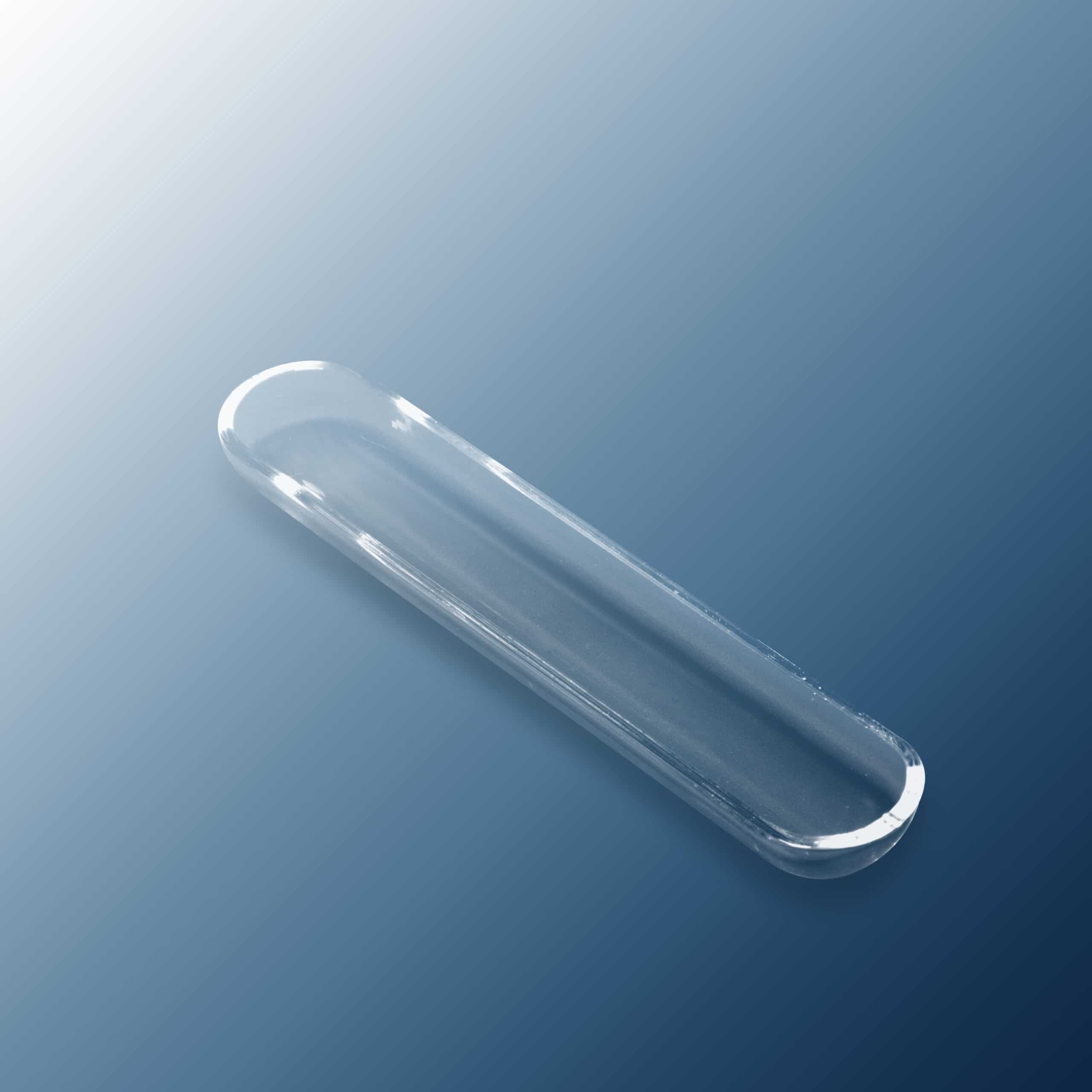
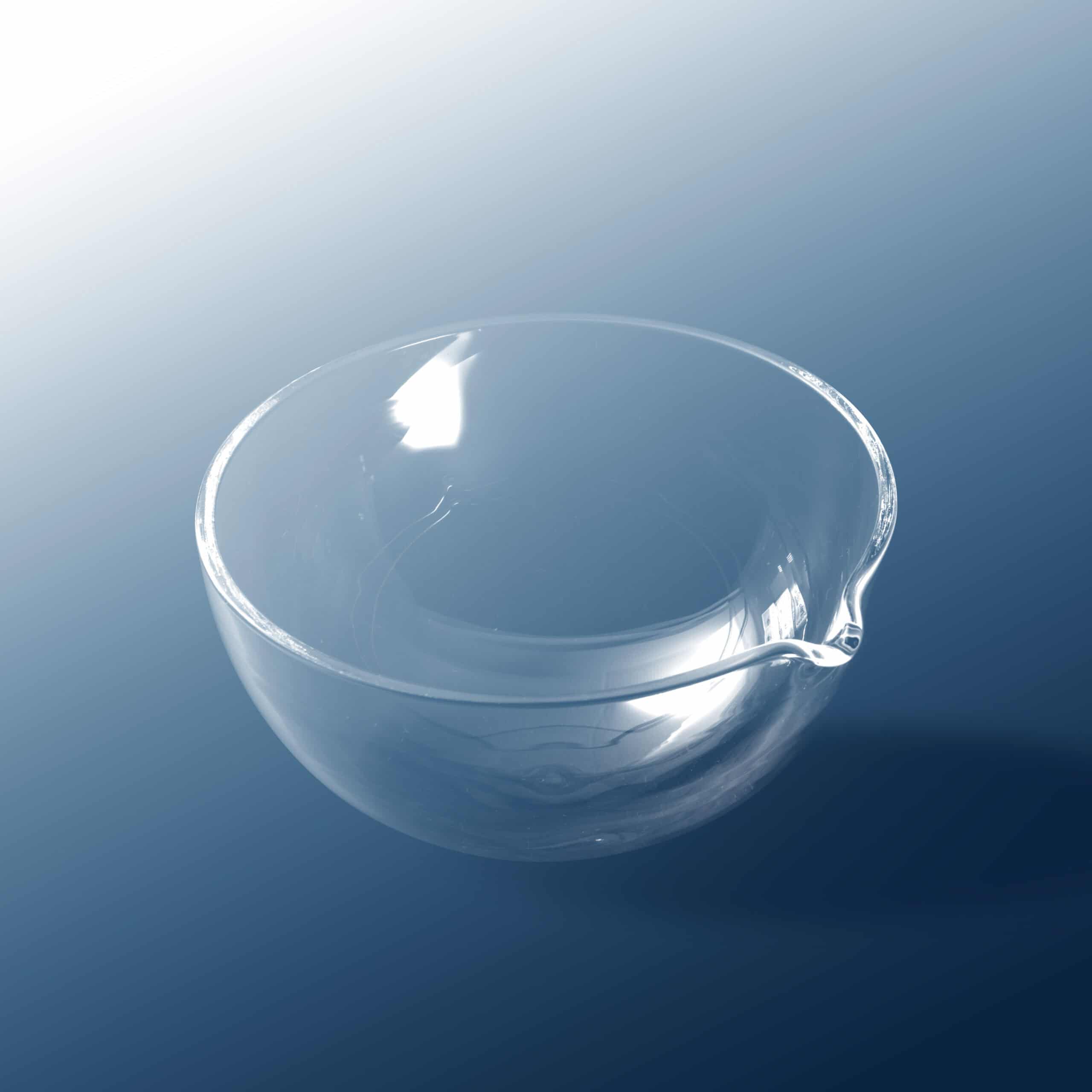
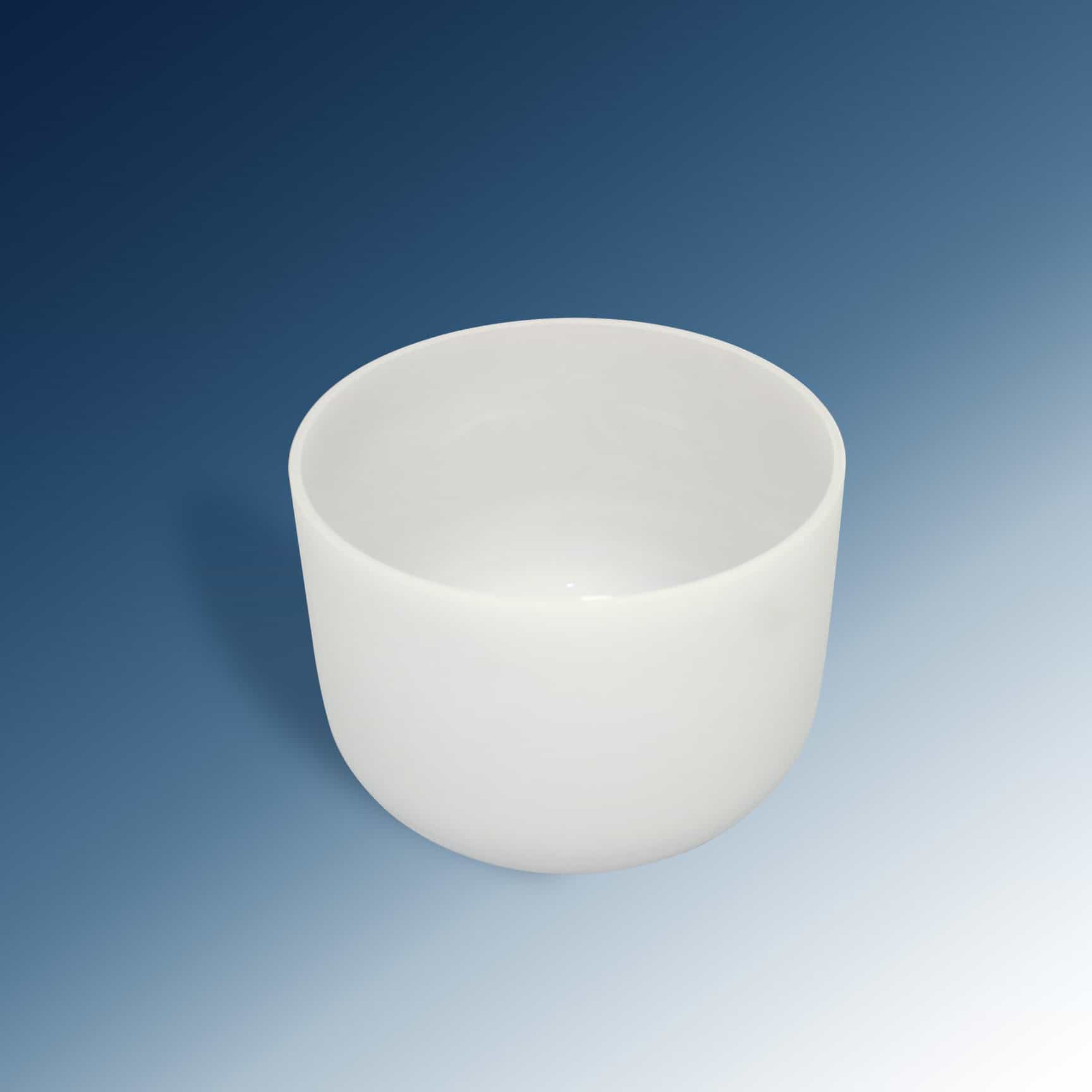
Fused Quartz Boat Round Bottom
$94.302 × $47.15
Fused quartz combines exceptional thermal stability, optical clarity, and chemical resistance for demanding industrial, laboratory, and high-technology applications. Its high-purity silicone dioxide composition also provides strong electrical insulation and reliable performance through rapid temperature changes.
AdValue Technology supplies fused quartz for semiconductor fabrication, optical systems, aerospace equipment, electronics, and high-temperature processes. Customers can choose standard components or request custom configurations that meet specific dimensional and performance requirements.
Fused quartz is a high-purity, non-crystalline form of silicon dioxide (SiO₂) produced by melting natural quartz crystals at extremely high temperatures. Unlike regular glass, which contains additives such as soda, lime, or boron, fused quartz is nearly pure SiO₂.
That purity is what gives it its exceptional properties, including excellent thermal stability, outstanding optical transparency, strong chemical resistance, and high electrical resistivity. You will find fused quartz at the heart of some of the most demanding applications in semiconductor fabrication, optics, aerospace, and laboratory science.
The two terms are often used interchangeably, but there is an important material distinction:
Fused quartz is made by melting naturally occurring crystalline quartz, while fused silica is produced from synthetic silicon-containing precursors using high-purity processes such as chemical vapor deposition.
Fused silica typically contains fewer metallic impurities and offers superior UV transmission compared to standard fused quartz.
Both are amorphous SiO₂ materials and share many of the same outstanding properties. For most high-temperature and chemical applications, either material works well. For critical UV optical applications, synthetic fused silica has the edge in purity and transmission performance.
While they share the same high-purity SiO₂ base, their internal structures dictate very different use cases:
The primary differences between the two materials lie in their thermal endurance and chemical purity. Standard borosilicate laboratory glass softens at around 820°C and has a relatively high thermal expansion coefficient. Meanwhile, fused quartz softens at over 1,650°C and has a thermal expansion coefficient roughly 5–7 times lower than borosilicate glass. It also offers excellent chemical purity and strong resistance to many acids and process environments.
That combination means fused quartz withstands far higher temperatures, resists thermal shock far better, and survives chemical environments that would destroy standard labware. This is why fused quartz is the material of choice for research and industrial processes operating above the limits of standard glass.
Crystal quartz is a naturally occurring mineral with a defined crystalline structure while fused quartz is produced by melting crystalline quartz and allowing it to solidify in an amorphous, non-crystalline state. That structural difference changes the material properties significantly. Fused quartz lacks the piezoelectric behavior of crystal quartz but gains superior thermal shock resistance and optical isotropy, producing a much better performance in high-temperature environments.
Fused quartz delivers a distinctive combination of properties that makes it valuable across a wide range of demanding applications:
| Property | Description |
|---|---|
| Thermal Stability | Softening point around 1,650°C; suitable for continuous use up to approximately 1,100–1,200°C, depending on load, atmosphere, contamination, and devitrification risk. |
| Thermal Expansion Coefficient | Extremely low at approximately 0.55 x 10⁻⁶ per °C, providing outstanding thermal shock resistance |
| Optical Transmission | Transparent across UV, visible, and near-infrared wavelengths |
| Chemical Resistance | Resistant to most acids, bases, and corrosive chemicals except hydrofluoric acid, hot concentrated alkalis, and some high-temperature phosphoric environments |
| Electrical Resistivity | Very high resistivity; excellent electrical insulator at elevated temperatures |
| Dielectric Loss | Low dielectric loss; ideal for high-frequency, microwave, and electronic applications |
| Purity | High-purity SiO₂; minimal metallic contamination suitable for semiconductor-grade applications |
| Density | Approximately 2.2 g/cm³ |
Fused quartz handles high temperatures exceptionally well. Its softening point sits above 1,650°C, and it remains dimensionally stable and chemically inert in continuous use up to approximately 1,100–1,200°C, depending on load, atmosphere, contamination, and devitrification risk. Its extremely low thermal expansion coefficient, around 0.55 x 10⁻⁶ per °C, means it expands and contracts very little during temperature cycling. This is why fused quartz components survive rapid heating and quenching cycles that would crack or shatter standard glass or many other ceramics instantly.
Fused quartz has outstanding thermal shock resistance. That resistance stems directly from its extremely low thermal expansion coefficient, approximately 0.55 × 10⁻⁶/°C. Because the material barely changes in size as temperature shifts, the mechanical stresses that cause thermal shock fractures in other materials simply do not build up in fused quartz.
This makes it extremely reliable in processes involving rapid or repeated temperature changes. As a result, fused quartz is widely used for furnace tubes, process vessels, windows, and labware exposed to rapid or repeated heating and cooling.
Fused quartz transmits light across a broad spectral range. Clear fused quartz begins transmitting in the deep ultraviolet (UV) range and remains transparent through the visible spectrum and into the near-infrared. UV-grade fused quartz (such as the UV grade fused quartz slides and UV Quartz Cuvettes offered by AdValue Technology) offers particularly strong UV transmission, making it ideal for spectroscopy, UV photolithography, and laser optics applications where precise UV performance is critical.
Fused quartz resists attack by most acids and alkalis, including sulfuric acid, nitric acid, hydrochloric acid, and many bases. However, fused quartz is attacked by hydrofluoric acid, which readily etches silica, and it can also be attacked by hot concentrated phosphoric acid, hot or concentrated alkalis, and certain molten salts.
For most non-fluoride acid environments and many high-purity thermal processes, fused quartz performs as a highly inert, contamination-free container material, which is exactly why semiconductor fabs and high-purity laboratories rely on it so heavily.
Fused quartz has very high electrical resistivity and low dielectric loss, both of which make it an excellent electrical insulator at room temperature and at elevated temperatures. Its dielectric properties remain stable across a wide frequency range, making it useful not just as a passive insulator but also in high-frequency electronic components and microwave applications where low-loss materials are essential.
AdValue Technology carries a comprehensive inventory of fused quartz products spanning multiple categories to serve laboratory, industrial, optical, and semiconductor needs:
| Category | Products Available |
|---|---|
| Crucibles | High Form Crucible, Cylindrical Crucible, Opaque Fused Quartz Crucible |
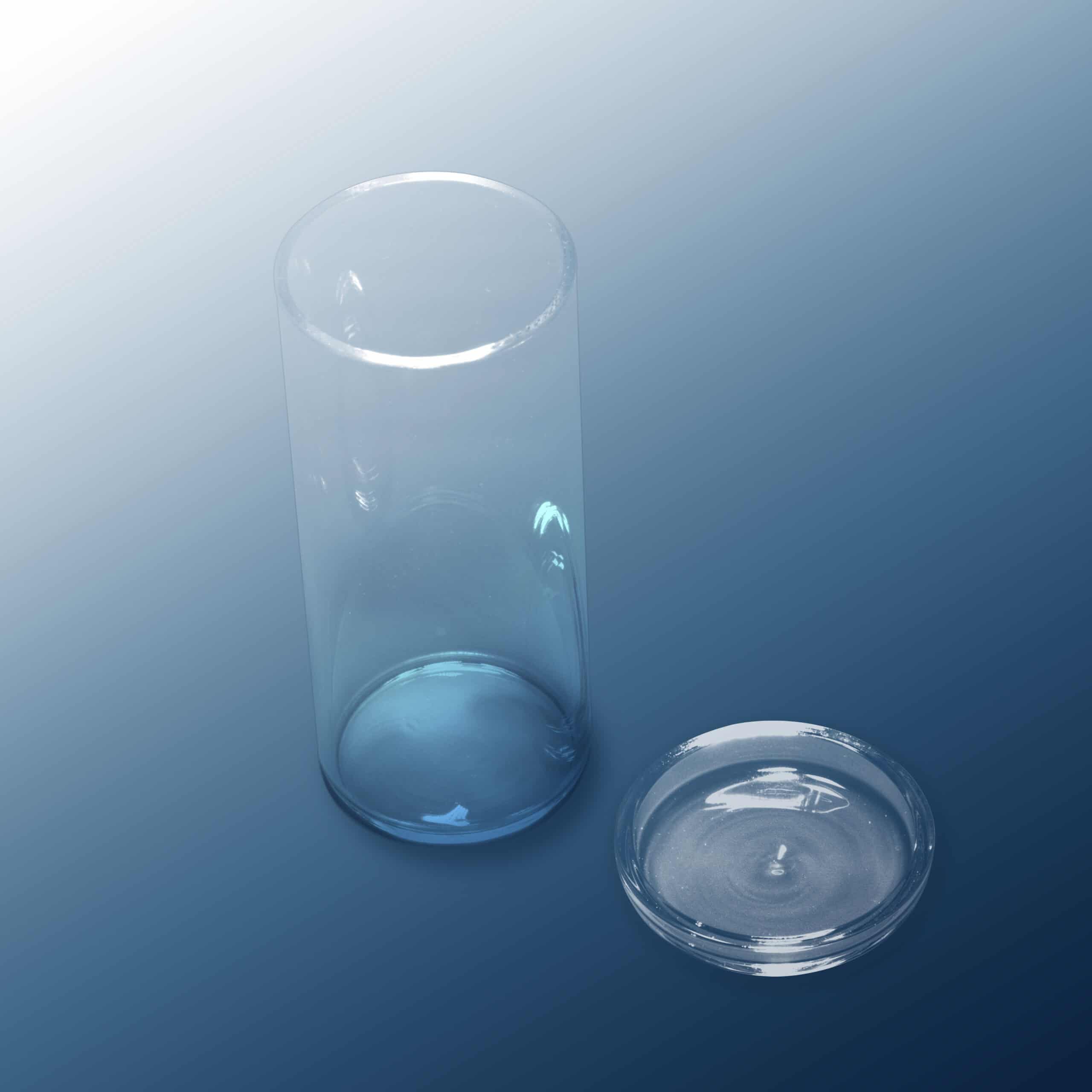
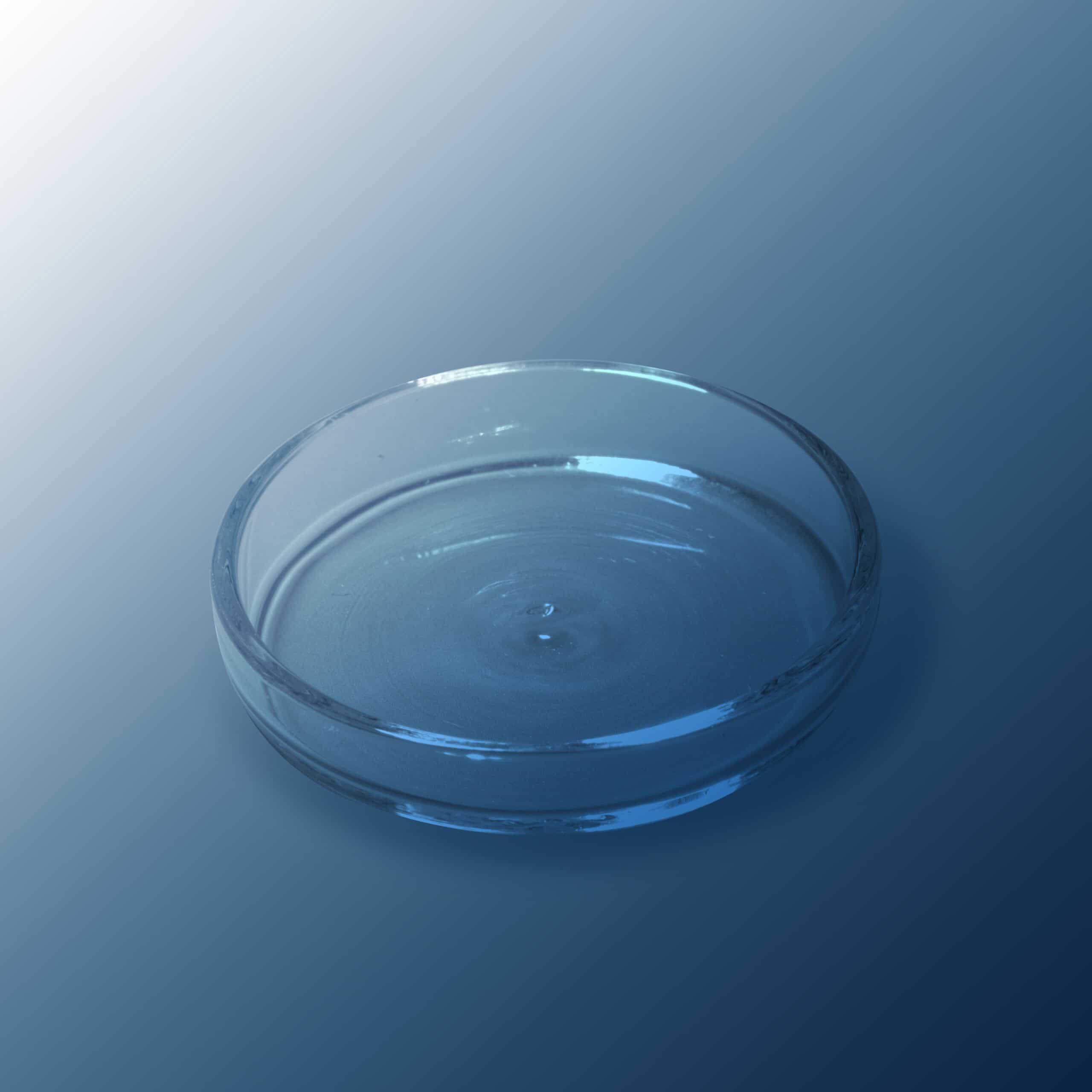
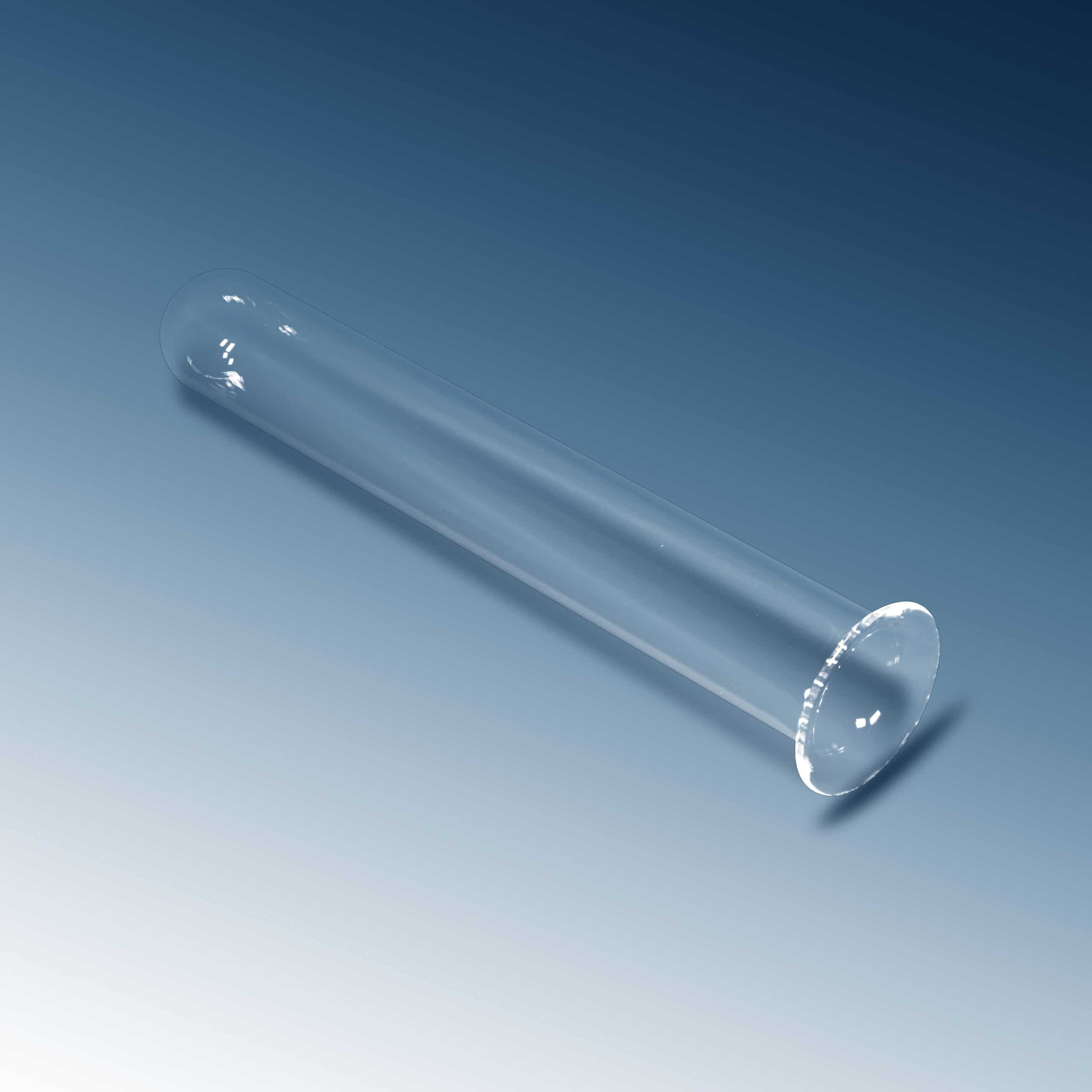
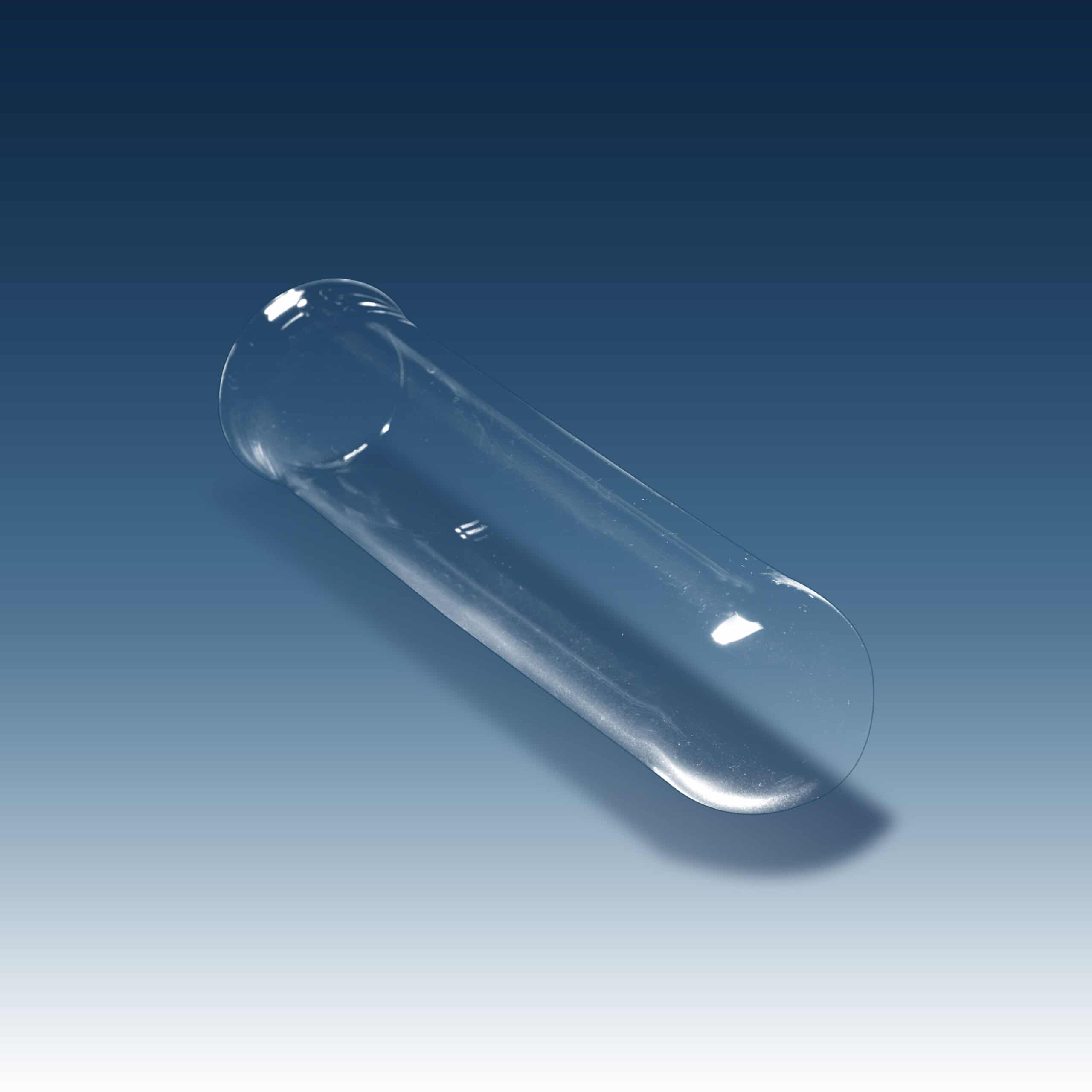
| Containers and Vessels | Fused Quartz Boat, Dish, Evaporating Dish, Test Tube |
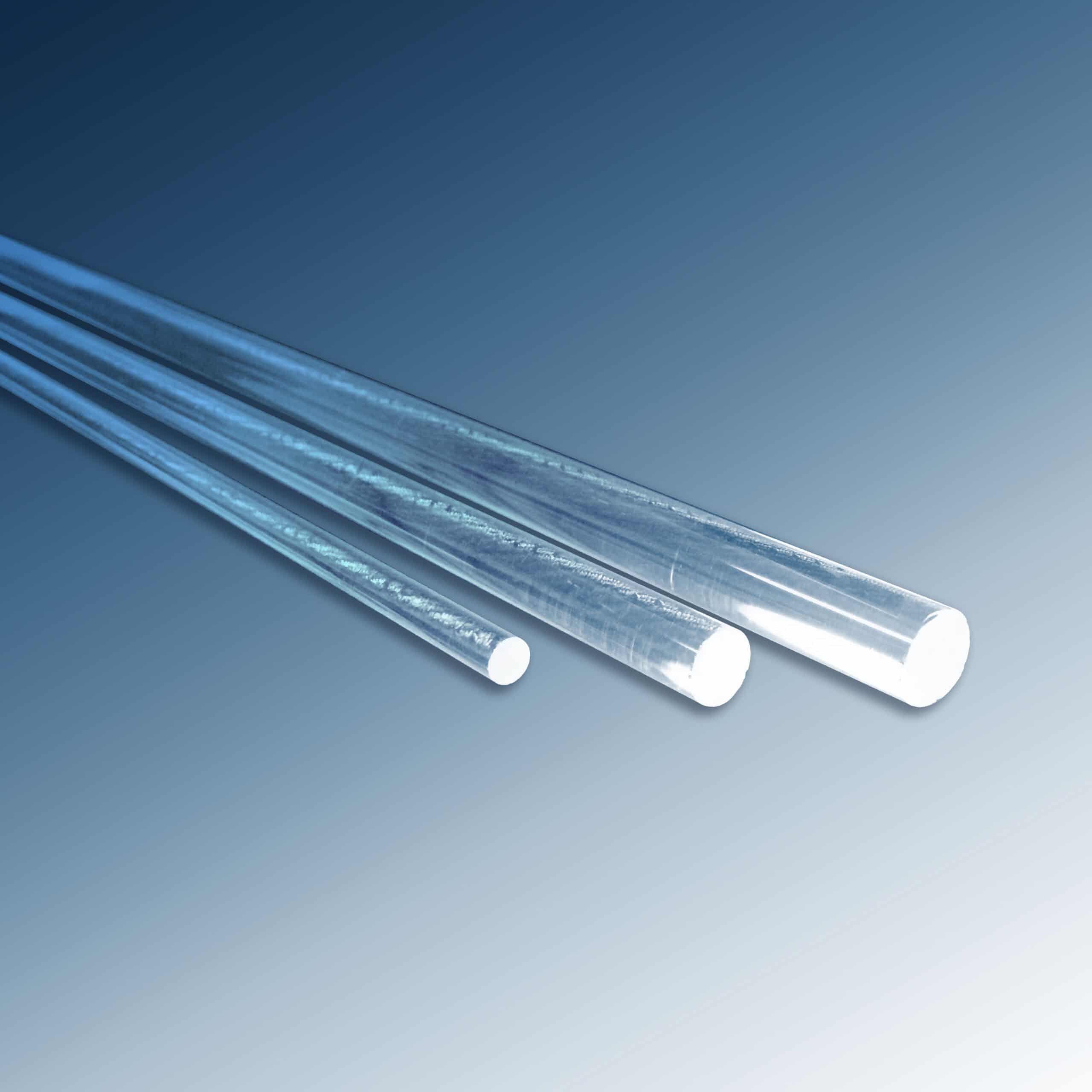
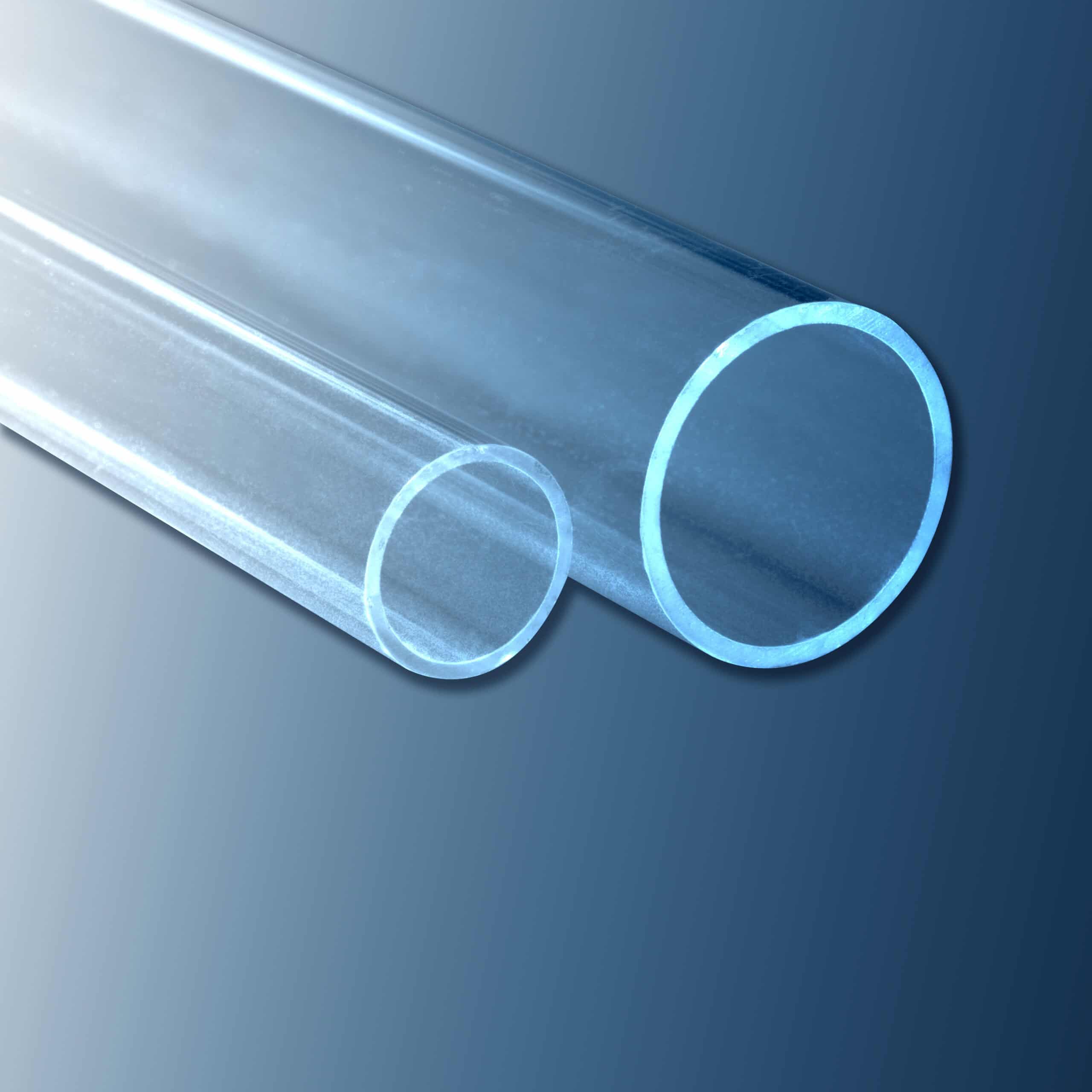
| Tubing and Rods | Fused Quartz Rod, Tubing (Open Ends), Micro-Combustion Tube (Closed One End) |
| Optical and Laboratory | Microscope Slide and Coverslip, Plate, Disc, UV Quartz Cuvette |
| Bulk Materials | Fused Quartz Granule, Fused Quartz Wools |
| Custom and Specialty | Custom Fused Quartz Products, Fused Quartz Coating Materials |
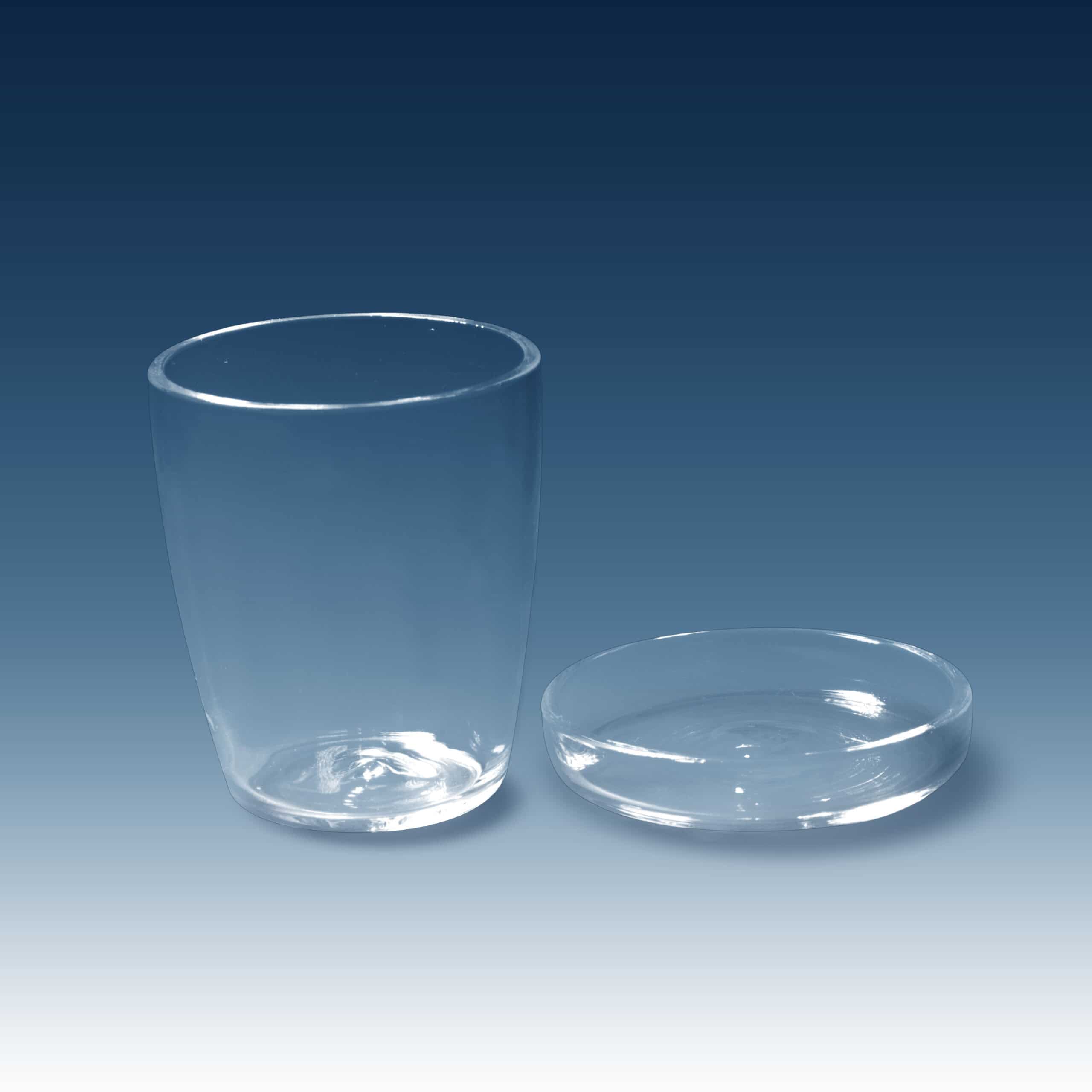
Fused quartz crucibles serve as high-purity containers for melting, holding, or processing selected materials at elevated temperatures. They are a staple in semiconductor silicon crystal growth, glass processing, high-temperature laboratory work, and other thermal processes where high SiO₂ purity, low contamination, thermal shock resistance, and chemical stability are important.
AdValue Technology offers three crucible types to meet different needs:
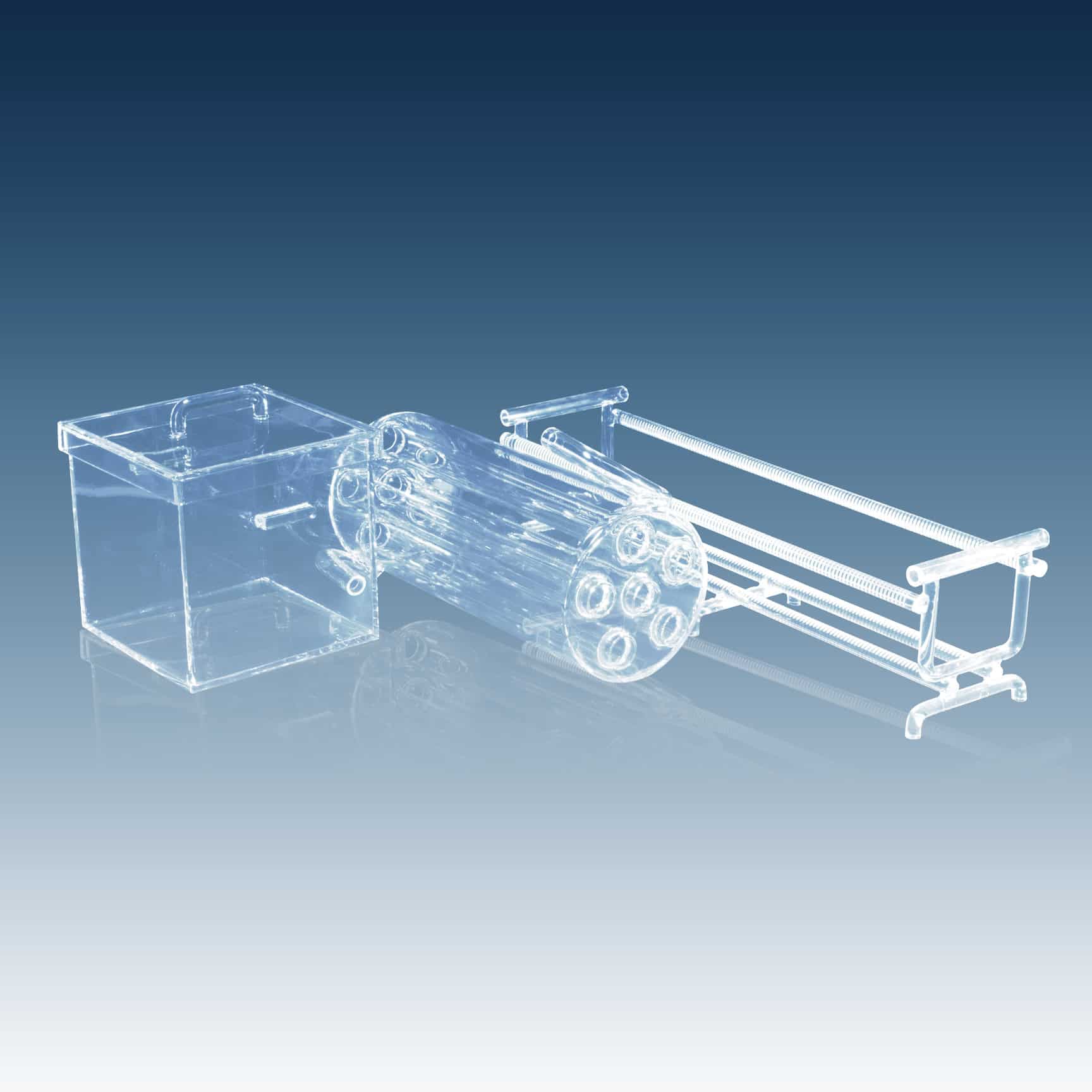
A fused quartz boat is a flat, elongated, open container that holds semiconductor wafers, substrates, samples, or powders during high-temperature processing in diffusion furnaces, oxidation furnaces, annealing furnaces, or tube furnaces. Wafer boats hold multiple wafers in parallel slots, keeping them separated and uniformly exposed to process gases during oxidation, diffusion, or annealing. Their high purity prevents contamination of the wafers during processing, which is critical in semiconductor fabrication.
Fused quartz tubes are versatile, high-purity components relied upon across a variety of demanding industries. Their exceptional thermal stability, chemical purity, and dimensional stability make them critical for the following applications:
To support these diverse requirements, AdValue Technology offers both standard open-end tubing and micro-combustion tubes closed at one end for specialized laboratory setups.
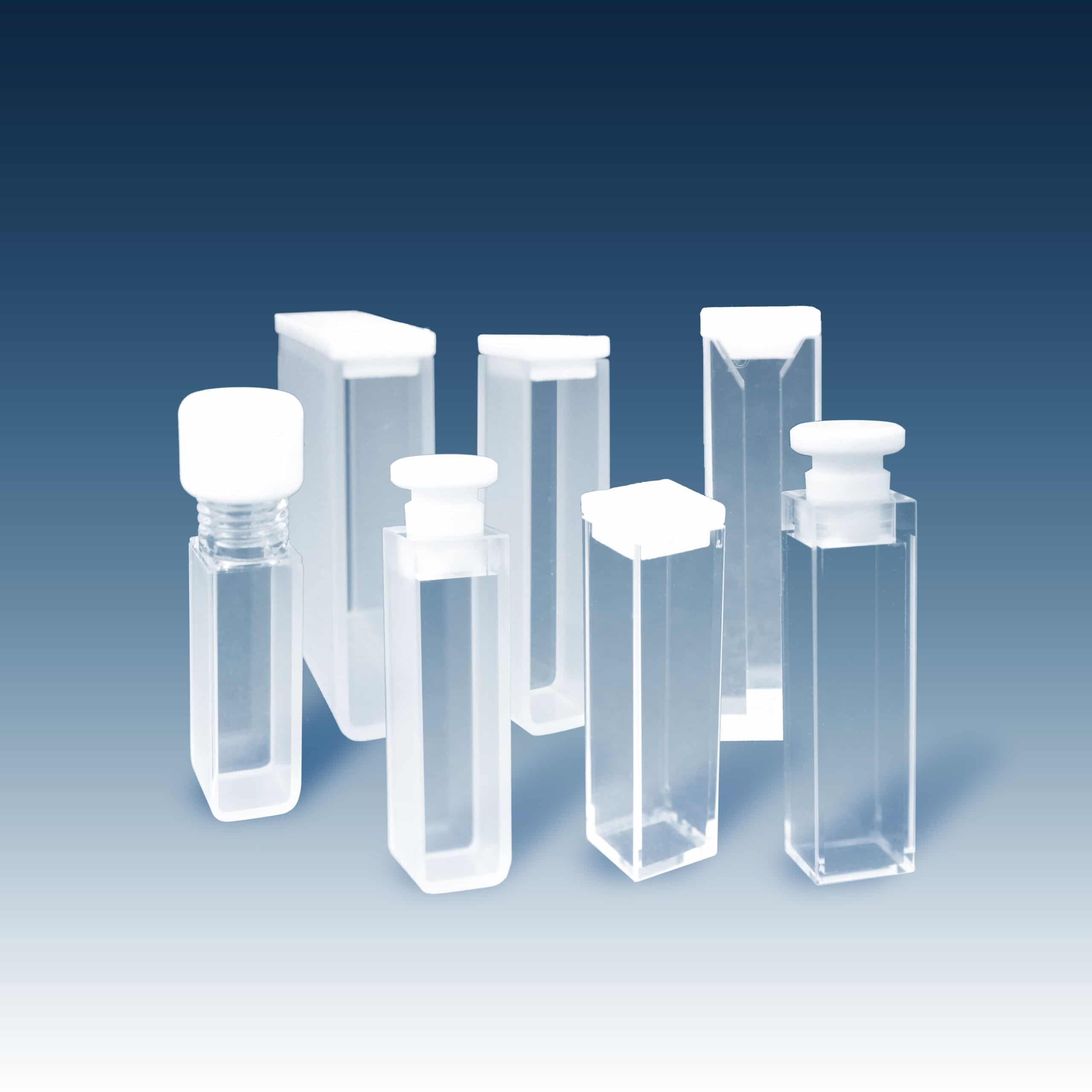
A UV quartz cuvette is a precision optical cell used to hold liquid samples for UV-Visible spectroscopy analysis. Because fused quartz transmits UV light from approximately 190 nm onward, it allows accurate absorbance measurements in the UV range where standard glass or plastic cuvettes absorb too strongly to be useful.
Any laboratory performing UV spectrophotometry, DNA or protein concentration measurements, or photochemistry work needs UV quartz cuvettes for reliable, interference-free results.
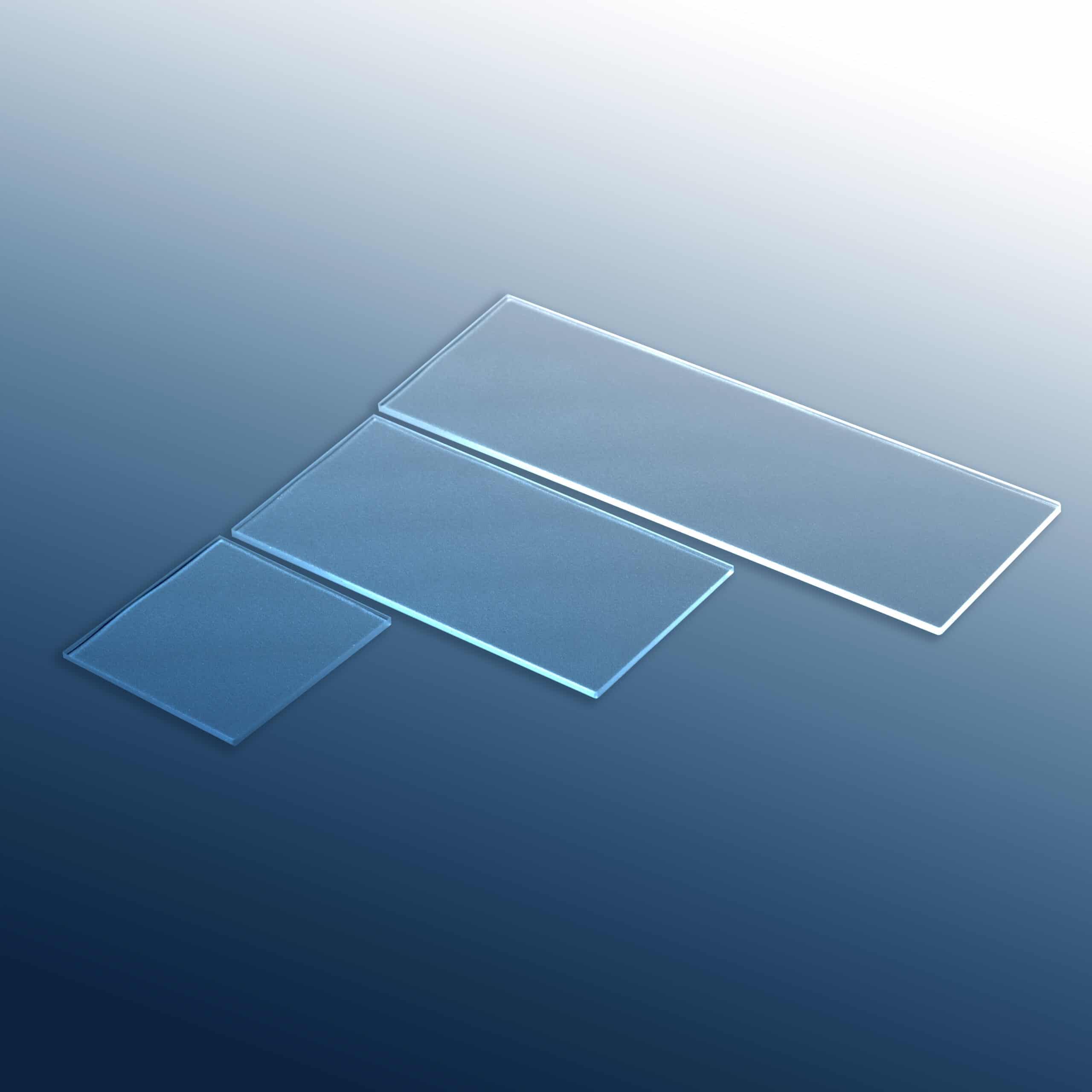
Fused quartz microscope slides and coverslips are used in fluorescence microscopy, UV microscopy, and high-temperature microscopy applications where standard borosilicate glass slides fall short. They offer superior UV and deep UV transmission, lower autofluorescence than regular glass, and the ability to withstand higher temperatures.
Researchers working in advanced imaging, photolithography, or high-temperature microscopy regularly choose fused quartz slides for their optical clarity and material stability.
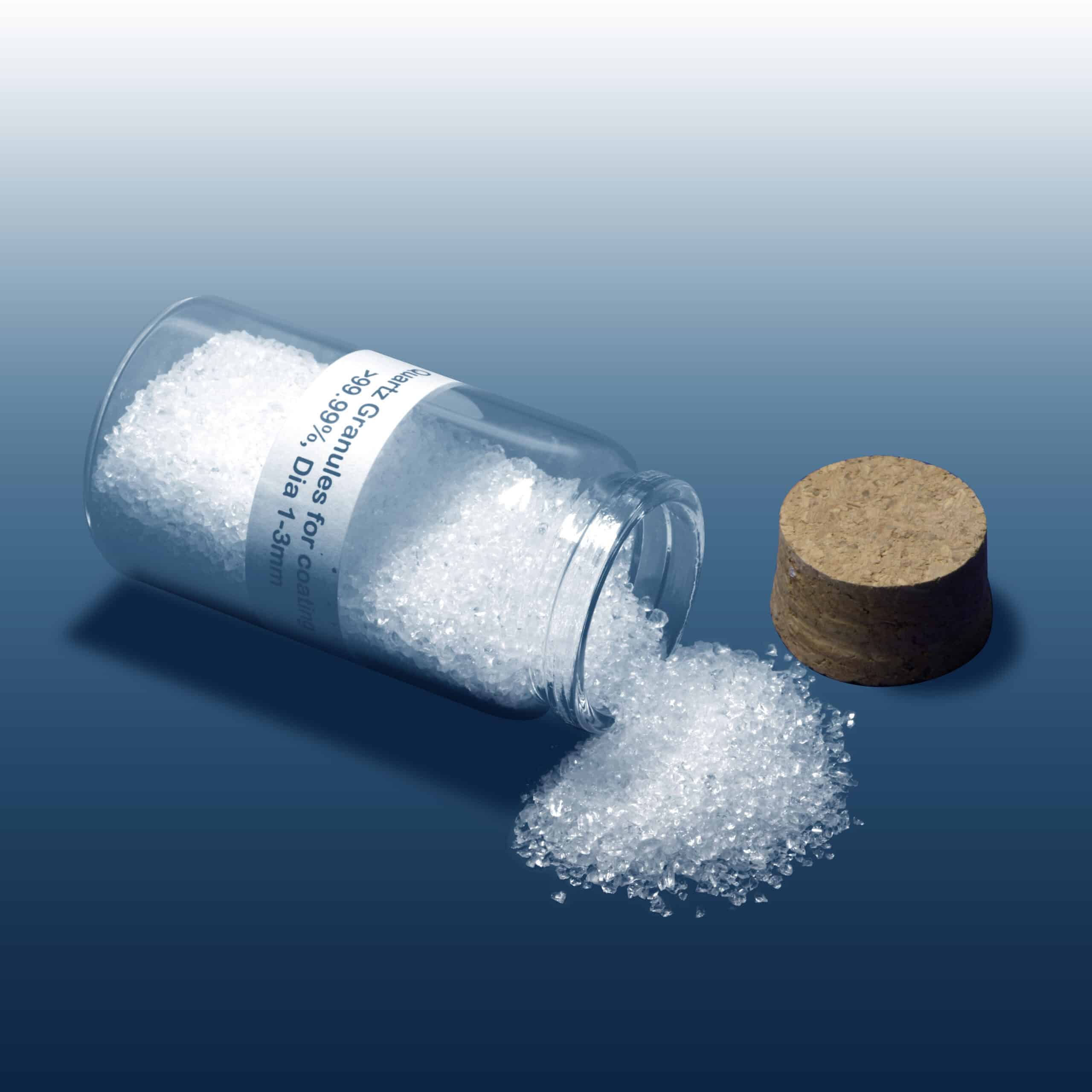
Fused quartz granules serve as high-purity fill material in furnaces, column packings, and thermal insulation systems. Fused quartz wools are fibrous insulating materials used for high-temperature thermal insulation, filtration, and as packing material in laboratory and industrial applications.
Both forms benefit from the same high-purity, chemically inert characteristics as solid fused quartz components, making them trusted choices in clean, high-temperature environments.
Fused quartz coating materials are used to apply protective or functional SiO₂ layers onto substrates in processes such as thermal oxidation, vapor deposition source material loading, and protective coating applications. They provide a clean, high-purity source of silicon dioxide for coating processes in semiconductor, optical, and advanced materials manufacturing.
Fused quartz supports a remarkably wide range of applications, from cutting-edge semiconductor fabrication to precision laboratory research:
| Industry | Primary Fused Quartz Application |
|---|---|
| Semiconductor | Wafer boats, process tubes, diffusion furnace components, CVD reactor tubes |
| Optics and Photonics | Lenses, windows, UV cuvettes, laser optics, microscope slides |
| Aerospace and Defense | Radomes, optical windows, infrared windows, thermal protection |
| Solar and Photovoltaic | Silicon crystal growth crucibles, diffusion furnace tubes |
| Research and Academia | Laboratory crucibles, test tubes, evaporating dishes, combustion tubes |
| Medical and Analytical | Spectroscopy cuvettes, high-purity labware, diagnostic components |
| Industrial Manufacturing | High-temperature furnace components, thermal processing vessels |
| Lighting | High-intensity discharge lamp envelopes, UV lamp tubes |
Semiconductor manufacturing demands materials that stay chemically inert at high process temperatures, minimize contamination into the wafer environment, and maintain dimensional stability during long thermal cycles. Fused quartz carriers, boats, and process tubes deliver on every one of those requirements, providing the thermal performance and level of purity needed for demanding semiconductor production applications.
Fused quartz is a first-choice optical material for UV and deep UV applications. Its broad transmission range, starting from deep UV through visible and near-infrared wavelengths, combined with its optical isotropy and low fluorescence, makes it ideal for precision optical components.
Its applications include:
Fused quartz is trusted in aerospace and defense for applications that combine optical precision with structural reliability under extreme conditions. Radome windows, infrared sensor windows, and thermal protection components all benefit from fused quartz properties including high temperature resistance, low thermal expansion, and broad optical transmission.
Because these demanding environments rarely rely on off-the-shelf parts, AdValue Technology leverages its precision manufacturing capabilities to supply custom fused quartz components tailored to the exact specifications of aerospace, defense, and high-technology customers.
Fused quartz is a premium choice for laboratory equipment because it combines chemical inertness with high-temperature capability. Researchers performing sample digestion, gravimetric analysis, or high-temperature chemistry consistently reach for fused quartz to prevent the contamination that occurs when standard borosilicate glass breaks down.
To support these harsh acid, base, and thermal reactions, AdValue Technology offers a variety of specialized labware, including:
Yes. Custom fused quartz products are a core part of what AdValue Technology offers. Whether you need a non-standard tube diameter, a unique crucible geometry, a specific plate thickness, or a precision optical component, our team can provide custom fused quartz parts to your exact specifications. Bring your drawings, dimensions, or performance requirements and we will work with you to deliver a solution that fits your specifications.
AdValue Technology combines traditional fused quartz manufacturing with advanced laser machining services to produce custom components with high precision. Their capabilities include:
Laser machining uses focused laser beams to cut, drill, scribe, or mark hard and brittle materials like fused quartz with high precision. It is ideal for creating fine features, complex patterns, small holes, or tight-tolerance edges that are difficult or impossible to achieve with conventional mechanical machining.
For fused quartz components used in semiconductor equipment or precision optics, laser machining delivers the level of accuracy the application demands without introducing mechanical stress or contamination into the part.
Yes. While AdValue Technology stocks a wide range of standard sizes, their custom manufacturing capabilities mean that non-standard dimensions are very much available. Whether you need an oversized crucible, a tube with an unusual wall thickness, or a plate cut to a specific size, reach out to their team with your requirements and they can provide a quote and lead time estimate.
Standard in-stock fused quartz items typically ship within 1 to 2 business days. That fast turnaround reflects AdValue Technology's commitment to keeping a deep inventory of standard products ready to go. For custom components or specialty orders, lead times can vary based on the complexity of the work. Throughout the order process, our team communicates lead times promptly so your project timeline stays on track.
Yes. AdValue Technology ships both domestically within the United States and internationally. Whether your laboratory, fab, or manufacturing facility is located in North America, Europe, Asia, or beyond, our logistics team is equipped to get fused quartz products to you wherever you need them.
Fused quartz is one part of a broader specialty materials portfolio at AdValue Technology. Our full catalog includes:
Yes. The AdValue Technology team brings over 20 years of specialty materials experience to every customer interaction. Whether you are selecting between clear and opaque quartz crucibles, choosing the right tube dimensions for a diffusion furnace, or evaluating fused quartz for a new optical application, our technical staff can help you find the right product for your needs.
Yes. AdValue Technology is a member of the American Ceramic Society, reflecting our ongoing commitment to materials science excellence, quality standards, and professional development in the advanced ceramics and specialty materials field.
AdValue Technology bridges the gap between advanced material science and reliable supply chain execution. Customers across the semiconductor, aerospace, and academic research sectors trust us because we deliver:
When your application demands optical precision, extreme thermal endurance, and absolute chemical purity, AdValue Technology delivers the exact solution you need.



 Technical Info